
A large share of the people searching this name are not looking for a download link. They are asking whether it is safe, what the cybersecurity risk is, and whether their antivirus will protect them. Those are the right questions, and they have clear, evidence based answers. This page does not link to the site, describe how to use it, or tell you what is on it. It explains what sites in this category do to the devices that visit them, what the security research actually shows, and what to do instead.
What Kind of Site Is This?
The name itself describes the category. Crackstube Safe refers to software modified to bypass its licence check a paid program altered so it runs without being paid for. Tube indicates video streaming. Sites in this category typically offer pirated software, cracked applications, activation tools, or streams of films and shows the operator has no right to distribute. They are free to use, which is the point, and the cost is paid in a different currency.
- Crack means software altered to bypass licence checks
- Tube indicates video or streaming content
- Sites in this category distribute unlicensed material
- They cost no money, which is the entire appeal
- The revenue comes from advertising, redirects and bundled downloads
- Neither the software nor the streams are legally distributed
Why the Search Results Are So Confused
If you searched this term you may have noticed the results are a mess of property repair products, dispensaries, resorts, and a wall of nearidentical review articles. That is partly a coincidence of naming and partly deliberate. Sites in this category are frequently promoted through large volumes of thin articles that exist to capture searches, and search engines struggle to separate them from genuine information.
- The name overlaps with unrelated products and businesses
- Dozens of nearidentical review articles target the term
- Many of those articles exist to capture traffic, not to inform
- Legitimate security information is buried beneath them
- This pattern is itself typical of the category
Is It Safe? The Short Answer
No, and this is one of the few technology questions with a genuinely settled answer. Software cracks and keygens are one of the most heavily documented malware delivery routes in existence. Security researchers monitor this specific channel continuously, because it produces a steady, predictable stream of infections month after month. This is not a theoretical risk or an outdated warning it is current, measured and ongoing.
- Cracks and keygens are a primary, actively monitored malware channel
- Security firms track this route as a distinct category every month
- The risk is current, not a legacy concern from years ago
- Streaming sites in this category carry related risks
- Free access is funded by what happens to your device
- No antivirus product reliably prevents all of it
What Actually Gets Installed: Infostealers
The dominant threat from this category is a class of malware called infostealers. They do not encrypt your files or announce themselves. They run once, harvest everything of value, send it to a server, and finish. Most victims never know it happened, which is exactly the design goal. What they take is comprehensive.
- Every password saved in your browser
- Autofill data: names, addresses, phone numbers, card details
- Session cookies and login tokens for sites you are signed into
- Cryptocurrency wallet files and keys
- System information and, in many variants, documents
- Messaging and gaming account credentials
Why Stolen Session Cookies Defeat TwoFactor Authentication
This is the part most people do not know. A session cookie is the token your browser holds that proves you are already logged in. If an attacker steals that token, they do not need your password and they do not need your second factor they simply resume your existing session. Turning on two factor authentication, which is excellent advice generally, does not protect you from this particular attack.
- Session tokens prove you are already authenticated
- Stealing one lets an attacker skip login entirely
- Two factor authentication is bypassed, not defeated
- This is why I have 2FA on is not sufficient protection here
- Signing out of all sessions is what invalidates stolen tokens
view more articles:
- Los Boquerones
- Shortminde com Review
- Vocalnewsmedia com Review
- Contact Gonzay com
- Glorvix com Review
- Adswynk com Review
The Scale of It
The figures published by security researchers are not marginal. Analysts reported that infostealer malware harvested around 1.8 billion credentials in the first half of 2025 alone, from roughly 5.8 million infected devices an increase of several hundred per cent over the preceding six months. In one recent monthly analysis of malware distributed specifically through the cracks and keygens route, a single stealer family accounted for over a third of everything found in that channel in one month.
- Around 1.8 billion credentials harvested in six months of 2025
- Roughly 5.8 million infected devices contributed to that figure
- One stealer family took over a third of the cracks channel in a single month
- Multiple families compete actively in this distribution route
- Monthly security reports track this channel continuously
Why Your Antivirus Might Not Save You
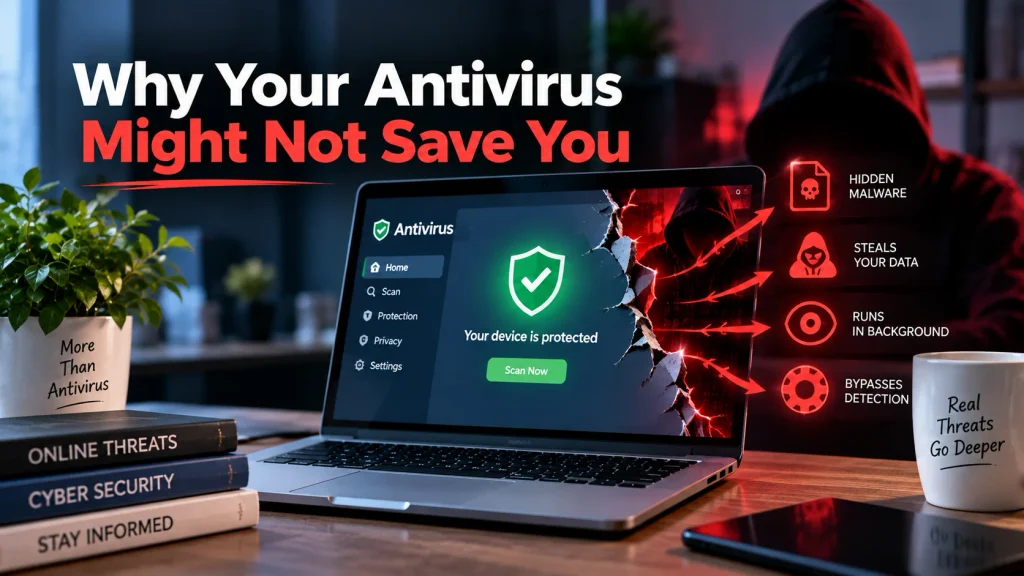
A recurring search around this topic asks which antivirus protects you. It is a reasonable question with an uncomfortable answer: antivirus helps, but it is not a solution here, for three specific reasons.
- Cracked software installers routinely instruct users to disable antivirus
- That instruction is normal for cracks, which makes it easy to follow
- Modern stealer families use active antianalysis and evasion techniques
- New variants appear faster than signatures are written
- Once you have manually approved an installer, protection is limited
- Antivirus is a safety net, not a licence to run unknown executables
The Turn Off Your Antivirus Instruction
If any download tells you to disable your security software or add a folder to your exclusions list before running it, treat that as the end of the decision. That instruction exists for exactly one reason, and there is no benign version of it. Legitimate software never requires you to disable your defenses to install.
- No legitimate installer requires antivirus to be disabled
- Exclusion folder instructions serve the same purpose
- The instruction is the warning, not an inconvenience
- Following it removes your last line of defence
- This single rule prevents a large share of infections
The Streaming Side of the Risk
Streaming sites in this category carry a different profile. You are less likely to be asked to run an executable, but the pages themselves are typically loaded with aggressive advertising networks, forced redirects, fake your device is infected warnings, fake player updates and prompts to install browser extensions. The video may play. The revenue comes from everything else on the page.
- Aggressive ad networks with minimal vetting of advertisers
- Forced redirects to unrelated destinations
- Fake infection warnings designed to cause a panicked install
- Fake video player or codec update prompts
- Browser extension prompts requesting broad permissions
- Any of these can lead to a real compromise
The Legal Position, Briefly

Beyond the security risk there is a legal one, and it is worth stating plainly without moralising. Distributing and downloading unlicensed software and unlicensed streams is copyright infringement in most jurisdictions. Enforcement varies enormously some countries pursue individual users, most focus on operators but the exposure exists. For anyone using a work device, the more immediate risk is usually an employer’s acceptable use policy rather than a court.
- Unlicensed downloads and streams infringe copyright in most countries
- Enforcement against individuals varies widely by jurisdiction
- Most enforcement targets operators rather than viewers
- On a work device, employer policy is the more immediate risk
- Business software audits carry real financial consequences
What to Do Instead
The practical alternatives are better than most people assume, particularly for software, where free options have improved enormously.
- Free software alternatives: GIMP, Krita, Blender, LibreOffice, DaVinci Resolve, Audacity, Inkscape
- Student and education licences: heavily discounted or free for most major suites
- Nonprofit and charity pricing: available for most major vendors
- Monthly subscriptions: cancel after finishing a single project
- Free tiers and trials: often sufficient for one off tasks
- Free legal streaming: many ad supported services carry large catalogues
- Your library card: many library services include free film and ebook streaming
If You Have Already Downloaded Something
If you have run a crack or an installer from a site like this, treat it as a probable infection rather than a maybe. The steps below are in priority order, and the first one matters most.
- Change passwords from a different, clean device not the infected one
- Start with email, then banking, then everything reusing those passwords
- Sign out of all active sessions on every important account
- That step is what invalidates stolen session cookies
- Run a full scan with a reputable tool, then a second opinion scanner
- Check for unauthorised logins and forwarding rules in your email
- Move any cryptocurrency to a newly generated wallet
- Consider a clean operating system reinstall for a confirmed infection
- Tell your IT department immediately if it was a work device
Conclusion
The question most people are actually asking about Crackstube is whether it is safe, and the honest answer is no not because of anything specific to one website, but because the entire category it belongs to is one of the best documented malware delivery routes in cybersecurity. Cracked software and unlicensed streaming sites are free at the point of use and funded by what happens to the devices that visit them. The realistic cost is not a fine; it is your saved passwords, your logged in sessions and your accounts. Free legal alternatives now cover most of what people are seeking, which makes the trade a poor one.
- Cracks and keygens are a primary, continuously monitored malware channel
- Infostealers take passwords, cookies, card data and crypto wallets
- Stolen session cookies bypass two factor authentication entirely
- Free legal alternatives exist for almost every common use case
Is Crackstube safe to use?
No. Sites offering cracked software and unlicensed streams are one of the most heavily documented malware distribution channels, and security researchers track this route as a distinct category every month.
What is Crackstube?
The name describes a category rather than a service: crack refers to software altered to bypass licence checks, and tube indicates video streaming. Sites of this type distribute unlicensed software or media.
Will my antivirus protect me?
Partly, but not reliably. Cracked installers frequently instruct users to disable antivirus or add exclusions, modern stealer families actively evade detection, and new variants appear faster than signatures are written.
What does the malware actually steal?
Saved browser passwords, autofill and card details, session cookies, cryptocurrency wallets, system information and often documents. Most victims never notice it happened.
5 Responses